Research Interests

My research interests focus on understanding galaxies, galaxy clusters, and active galactic nuclei within their environments through X-ray observations and computational approaches. I am particularly interested in the physical processes that govern galaxy evolution in dense environments and in how these processes are reflected in observable properties. To investigate these questions, I combine computational and analytical methods, using data-analysis techniques and numerical tools to extract the underlying physical information from observational data. In particular, I work with X-ray and optical catalogues from a range of astronomical surveys to study the properties of galaxies, clusters, and AGN populations.

Galaxy cluster

Galaxy Clusters

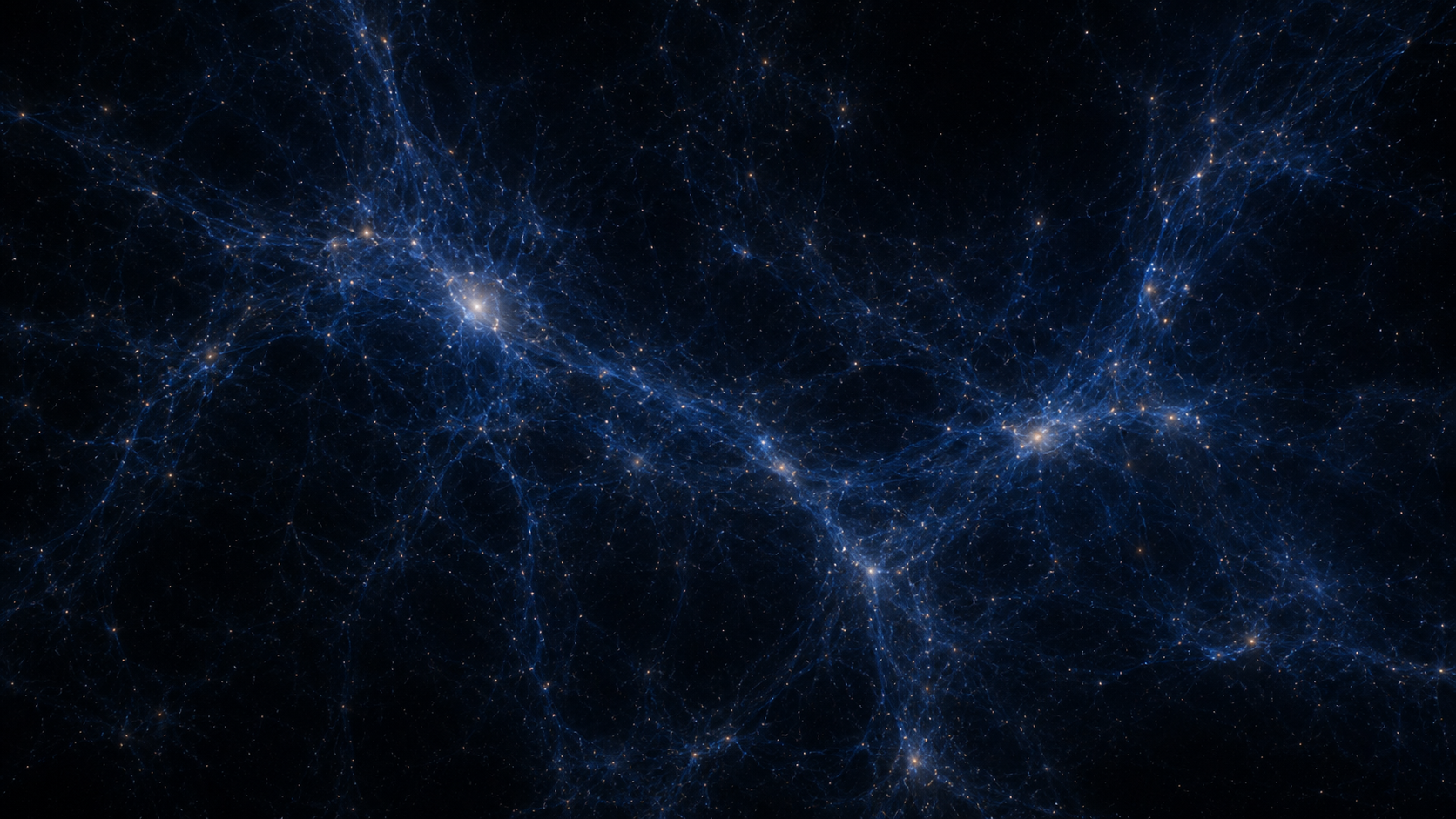
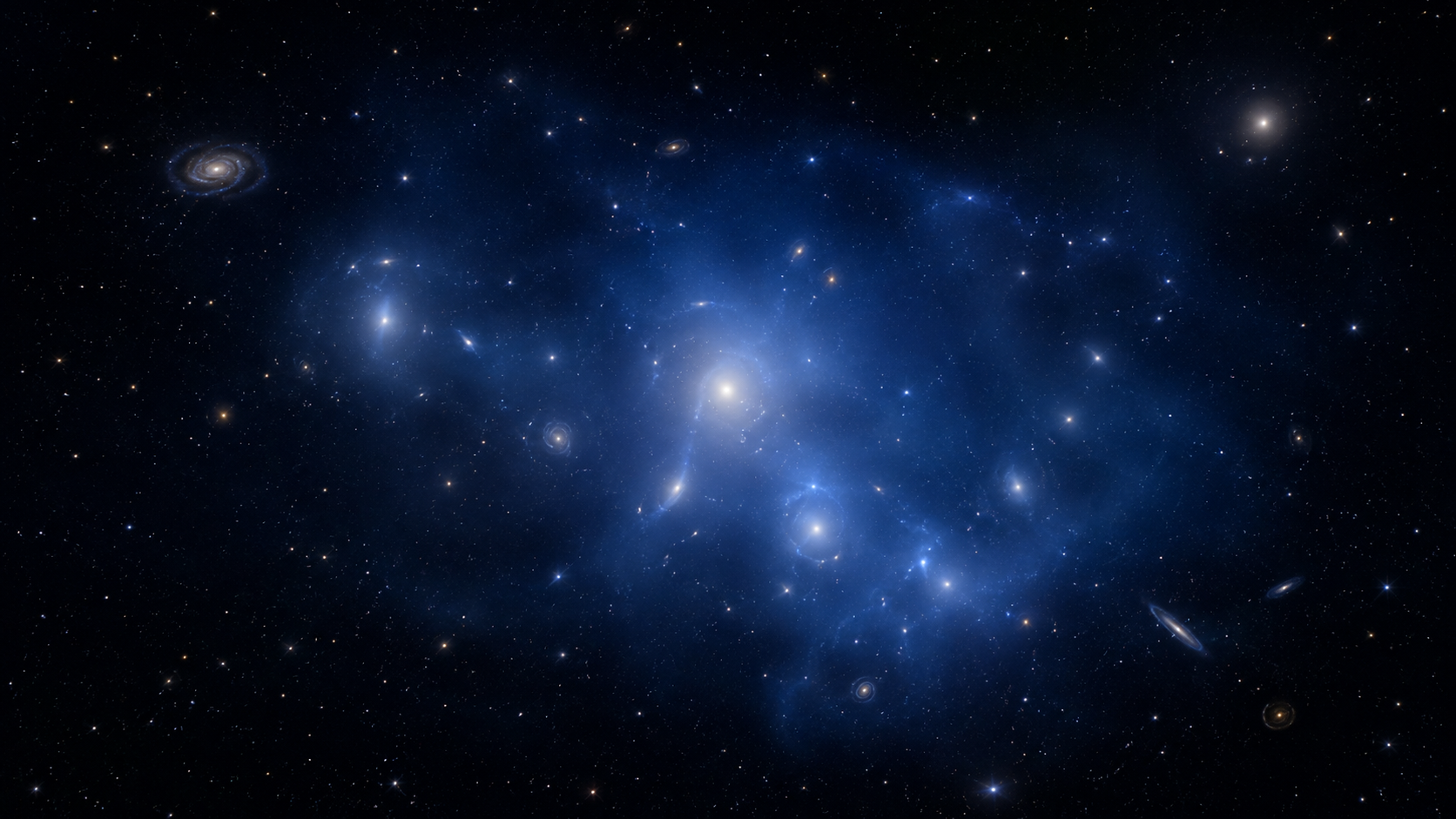
Galaxy clusters are the largest gravitationally bound structures in the Universe and provide unique laboratories for studying galaxy evolution, dark matter, and the hot ICM. Their dense environments allow us to investigate how interactions with the surrounding medium affect the properties and evolution of galaxies.

My connection:

My work investigates the population of active galactic nuclei in galaxy clusters and how AGN activity depends on cluster environment, mass, redshift, and cluster-centric distance.

View related project →
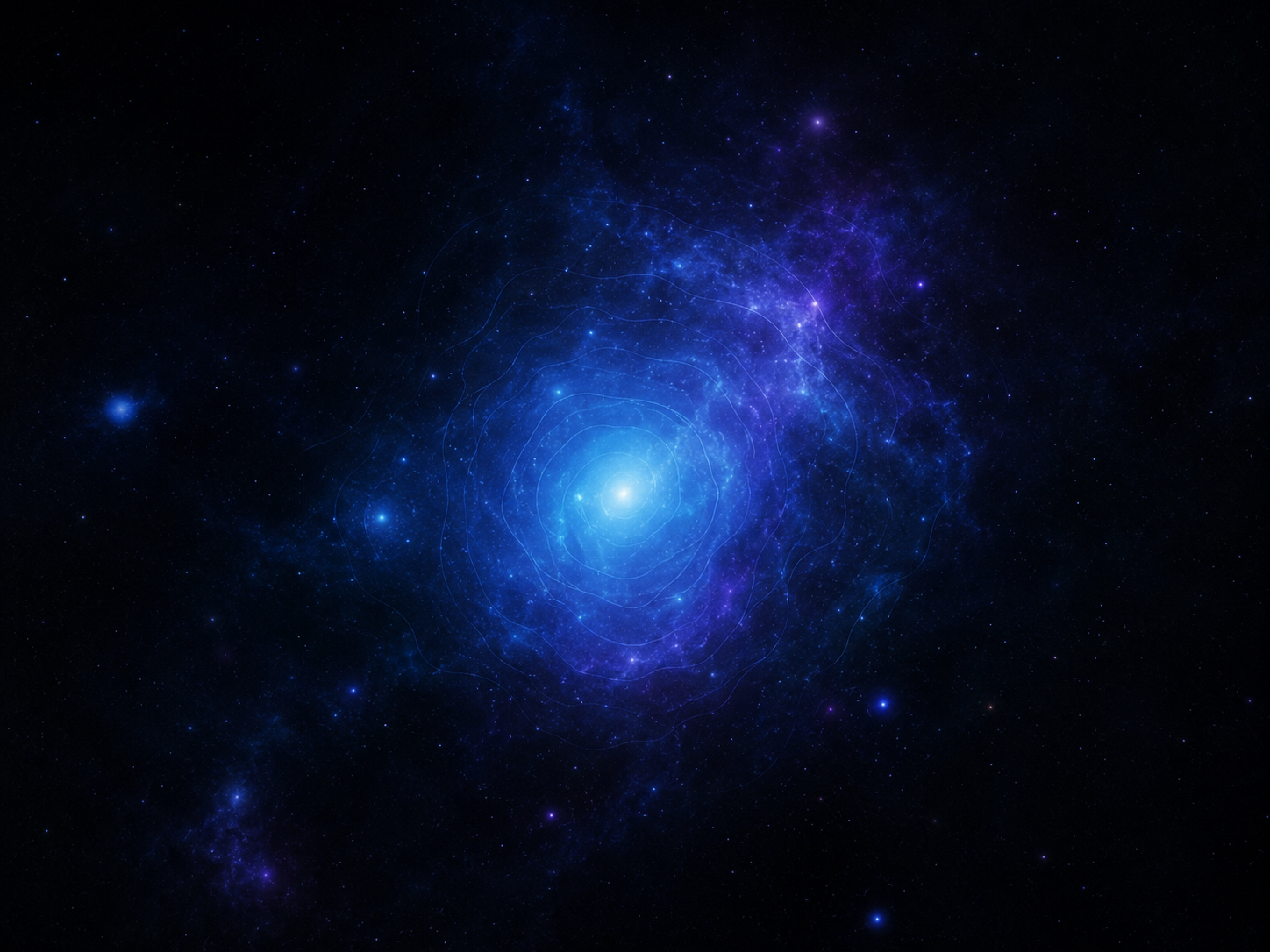
Active galactic nucleus

AGNs

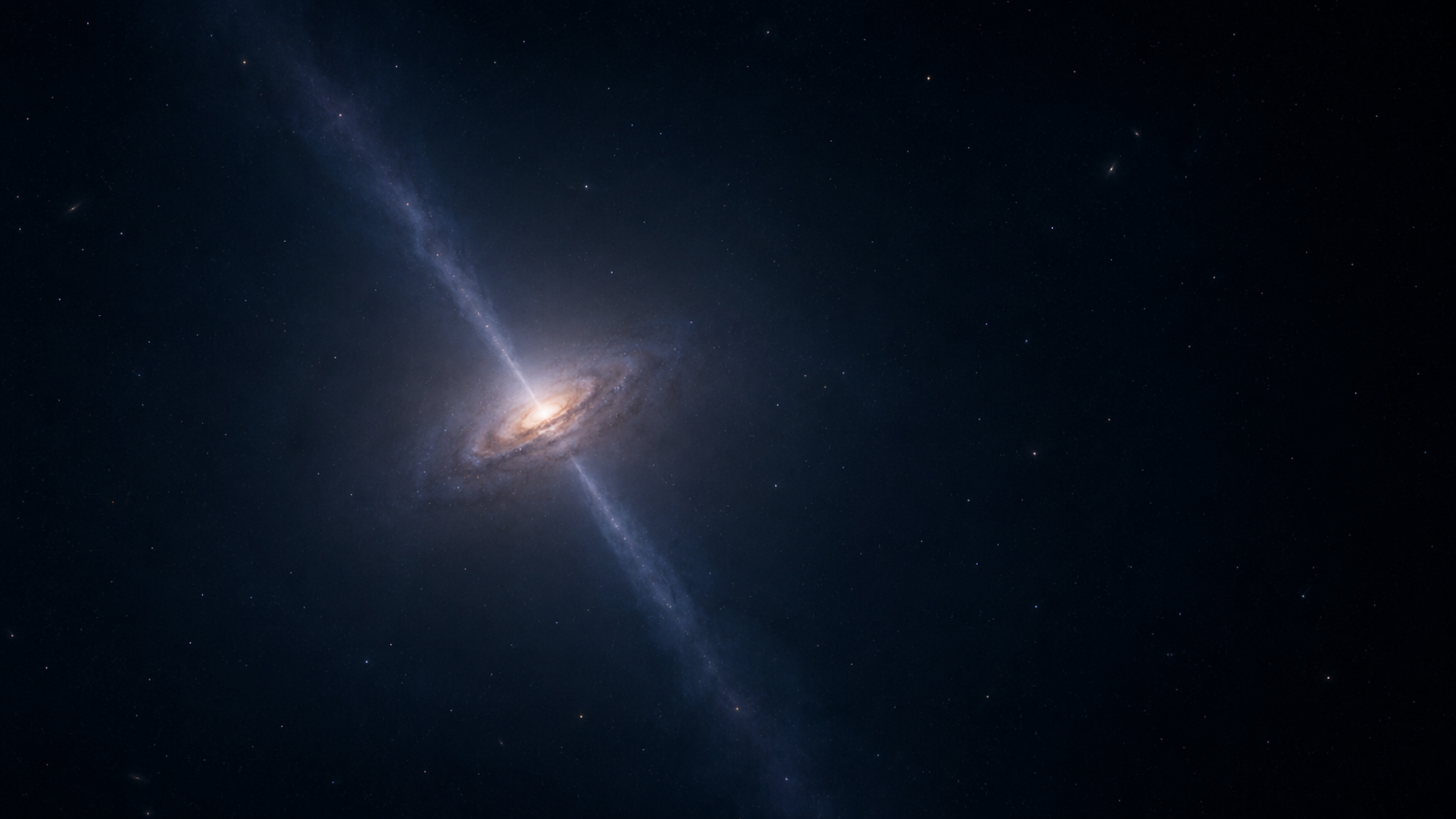
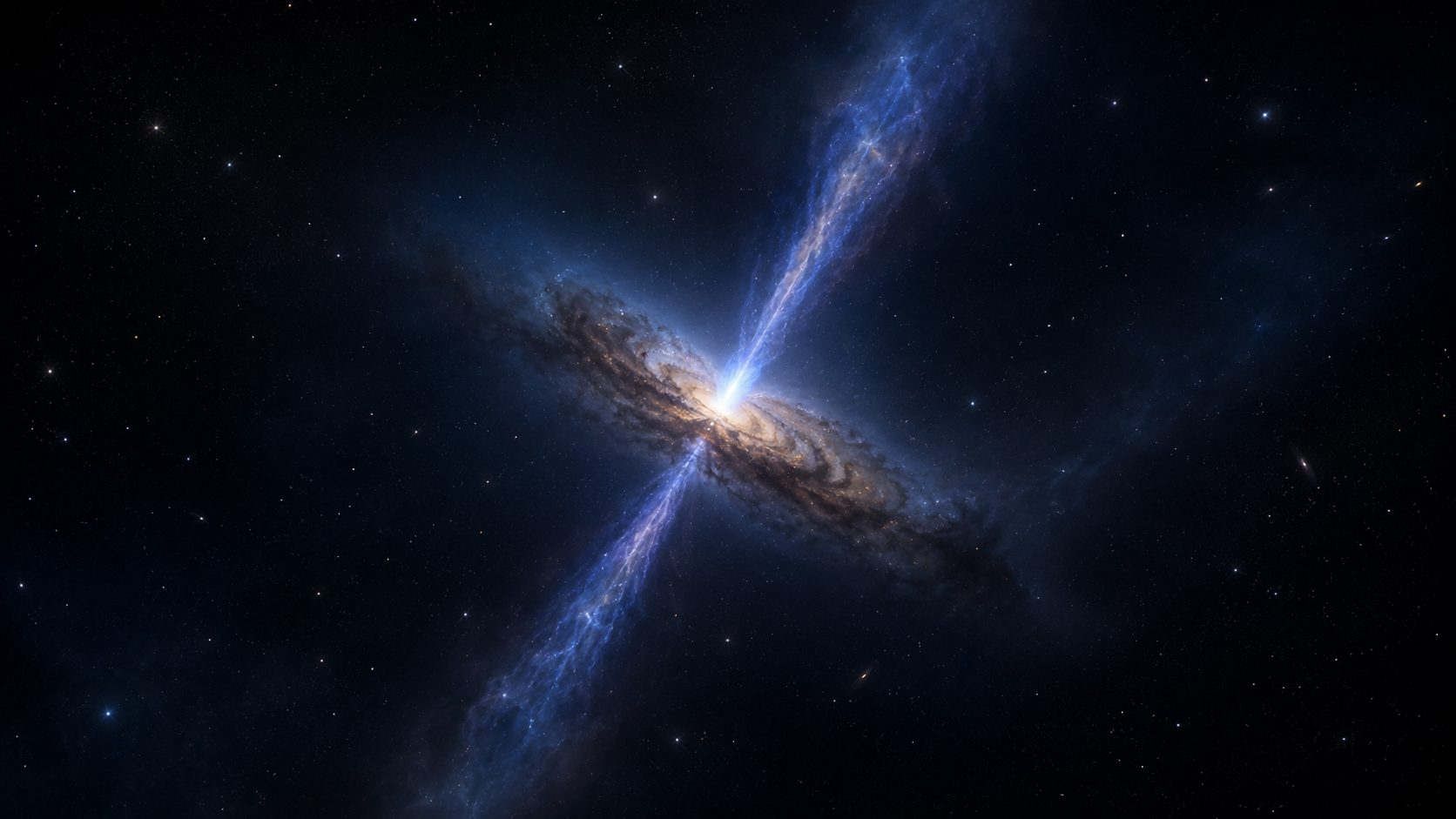
Active galactic nuclei are powered by accretion onto supermassive black holes in the center of galaxies and can release enormous amounts of energy into their surroundings. Through radiation, winds, and jets, AGNs can heat or displace gas and therefore influence star formation and the evolution of their host galaxies.

My connection:

My work focuses on the population and environmental dependence of AGNs in groups and clusters, with particular interest in how AGN activity changes with host environment and how feedback processes affect the surrounding hot gas.

View related project →
X-ray astrophysics

X-rays

X-ray observations provide a direct view of some of the hottest and most energetic components of the Universe. They allow us to study the intracluster medium, accreting black holes, and other high-energy phenomena that are often difficult to investigate at optical wavelengths alone. At these wavelengths the galaxy's stellar emission is also suppressed.

My connection:

I work with X-ray catalogues from surveys such as eROSITA and XMM-Newton, using source samples and cluster properties to study AGN populations, environmental trends, and the connection between nuclear activity and the hot gas in galaxy systems.

View related project →
Computational astrophysics

Computational

Modern astrophysical research relies heavily on computational methods to analyse large and complex datasets, compare observations across surveys, and extract the physical information encoded in them. Numerical and statistical tools are therefore essential for connecting observational measurements with the underlying astrophysical processes.

My connection:

I use Python-based data analysis, catalogue matching, statistical methods, numerical modelling, and custom computational pipelines to analyse X-ray and optical survey data, compare different samples, and interpret the physical trends observed in galaxies, clusters, and AGN populations.

View related project →

How My Interests Connect

Galaxy Clusters

Environment

AGNs - Feedback

Astrophysics

X-Ray Astronomy

Observations

Computational

Analysis